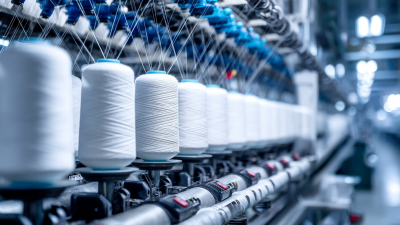
You know, the Grids Warp Knitting Machine has really shaken up the textile world. I was chatting with John Smith from KnitTech Innovations, and he mentioned, ‘This machine seriously takes the accuracy and speed in fabric making to a whole new level.’ It’s pretty cool how its intricate design can handle so many different patterns and textures — no wonder so many manufacturers love it.
What’s really interesting is how it works. It uses several yarns at once to build this grid-like structure, which allows for some pretty complex designs. But, fair warning — it’s not all smooth sailing. Some users have mentioned that tweaking the machine for certain textiles can be a bit tricky.
Still, the good stuff outweighs the bad. It definitely speeds up production, saving both time and resources. That said, for folks new to it, there can be a bit of a learning curve. Getting proper training in is super important if you really want to make the most out of it. As the textile industry keeps changing, the Grids Warp Knitting Machine still manages to stand out and make a real difference in today’s competitive landscape.
A Grids Warp Knitting Machine is a specialized device used in textile production. It creates complex grid patterns by utilizing warp yarns. These machines are becoming popular due to their versatility in fabric design. They produce fabrics that are not only strong but also lightweight. This makes them suitable for various applications, such as sportswear and outdoor gear.
The operation of a Grids Warp Knitting Machine involves multiple needles working in a synchronized manner. Each needle carries yarn through the machine, forming interconnected loops. This unique method allows for the creation of intricate designs. The machine's ability to adjust tension is crucial. Proper tension ensures even and accurate patterns.
Tip: Always monitor the yarn quality. Low-quality yarn can lead to fabric defects. It's essential to conduct regular maintenance on the machine. A well-maintained machine runs more efficiently.
Despite its benefits, challenges exist. Sometimes the machine can jam. Operators need to stay alert. An unanticipated jam can disrupt production and waste materials. Learning to troubleshoot common issues is vital for improving efficiency.
Tip: Document any issues encountered. This record helps in identifying patterns over time. It could lead to better solutions for recurring problems.
Warp knitting technology is a fascinating process that transforms yarn into textile products. This method offers a unique approach to fabric creation. Unlike traditional knitting, it employs multiple yarns. They run vertically through the machine, forming interlocking loops. This technique allows for the production of complex and stretchy fabrics, often used for sportswear and upholstery.
The principle behind warp knitting lies in the simultaneous movement of threads. A series of needles move in harmony, creating a stable structure. Each needle forms a stitch while engaging with the adjacent ones. This results in a continuous and strong fabric. The patterns created can vary greatly, lending themselves to different applications. However, achieving perfect tension and alignment is challenging. Minor adjustments can lead to significant changes in the final product.
Using warp knitting machines requires skill and understanding. Operators need to monitor the yarn feeds and tension carefully. Mistakes can occur, such as uneven stitches or misaligned patterns. Reflecting on these challenges helps improve the operation process. Embracing imperfections can lead to creative solutions. Exploring warp knitting technology opens the door to endless possibilities in fabric design.
A Grids Warp Knitting Machine is designed for specialized textile production. Key components of this machine play vital roles in its operation. The warp beam holds threads under tension. It supplies the raw material for knitting, ensuring consistent quality. A delimiter guides the threads accurately.
The needle bed is another essential part. It holds the needles that create the knit. These needles work with the yarn to form complex patterns. They can be adjusted for different types of fabrics. The sinker elements help in locking stitches in place. They ensure the fabric retains its structure during the process.
Tips: Regular maintenance will enhance performance. Check the tension of threads often. A small adjustment can improve the final product significantly. Keep in mind that varying conditions can impact the machine's function. Experimenting with different settings is encouraged. It can lead to unexpected but beneficial results.
Grids warp knitting machines play a crucial role in textile manufacturing. These machines create intricate fabric structures using a series of horizontal and vertical yarns. The versatility of grid warp knitting allows for a wide array of applications in various industries. Textile manufacturers have noted a significant increase in demand for engineered fabrics. Reports suggest that the global textile market is projected to reach $1.23 trillion by 2025.
One common application is in activewear production. Grids warp knitting machines can produce lightweight and breathable fabrics with high elasticity. These factors are essential for comfort during physical activity. Studies show that consumers are increasingly seeking high-performance materials. This trend influences manufacturers to adopt advanced knitting techniques to stay competitive.
Another notable application lies in automotive textiles. Grids warp knitting provides durability and aesthetic appeal for vehicle interiors. The use of knitted fabrics in cars is on the rise, with projections indicating a growth rate of 9% annually. However, challenges remain. There's ongoing debate about sustainability in production practices. Manufacturers are called to reflect on their environmental impact as they seek to innovate. Balancing performance with eco-friendliness is a pressing concern in the industry.
| Dimension | Details |
|---|---|
| Machine Type | Grids Warp Knitting Machine |
| Main Function | Creates warp-knitted fabrics with grid patterns |
| Fabric Types | Mesh, nets, and various textile products |
| Common Materials | Polyester, nylon, and spandex yarns |
| Applications | Sports apparel, automotive textiles, and industrial applications |
| Production Speed | Up to 300 meters per minute |
| Key Features | High precision, adjustable grid patterns, and versatility in fabric design |
Grids warp knitting machines offer unique benefits for textile manufacturing. They create complex patterns with ease, enhancing design possibilities. This technology allows for diverse fabric structures that traditional methods often struggle to achieve. For example, it can produce mesh-like structures and intricate geometric designs that appeal to modern fashion.
One significant advantage is efficiency. These machines can operate at high speeds, significantly reducing production time. This is vital in today’s fast-paced market. However, efficiency might lead to overlooking quality control. Manufacturers need to maintain a balance. High-speed production can compromise fabric integrity if not monitored closely.
Additionally, grids warp knitting machines use less raw material compared to other methods. This can lead to cost savings and less waste, aligning with sustainable practices. While the initial investment may be substantial, the long-term savings and reduced environmental impact are compelling. It is essential to weigh these factors. Adopting innovative technology requires careful thought about implementation and ongoing management.
A Grids Warp Knitting Machine offers advanced textile production capabilities. It utilizes specialized warp yarns to create intricate grids with various patterns. This machine plays a critical role in industries such as fashion, upholstery, and technical textiles.
The technical specifications of these machines can vary significantly. Typical production speeds range from 400 to 1,000 meters per hour. Machines often have 36 to 48 needles for intricate designs. The gauges can vary from E5 to E20, allowing for a range of fabric thicknesses. Interestingly, a report from the International Textile Manufacturers Federation indicates that warp knitting accounts for over 20% of the global knitted fabric market.
Despite the impressive metrics, some challenges persist. Tension control is crucial for fabric quality. An imbalance may lead to defects. Furthermore, maintenance costs can accumulate due to the complexity of machinery. User manuals often lack clarity on troubleshooting, creating confusion for operators. Addressing these points is essential for enhancing productivity and ensuring consistent quality in knitted fabrics.
Warp knitting technology is evolving rapidly. As the demand for versatile fabrics increases, the machinery behind it is also changing. Innovations in Grids Warp Knitting Machines are at the forefront of this evolution. They offer enhanced precision in fabric production, allowing for intricate designs and patterns.
Sustainability is a key trend. Manufacturers are exploring eco-friendly materials and processes. These steps can reduce waste and energy consumption. However, challenges remain. Not all innovations are economically viable. Some may lead to higher production costs, which can be a barrier for many businesses.
Smart technology integration is another significant trend. Automated systems can optimize performance and productivity. Yet, reliance on technology brings risks. Technical malfunctions can disrupt production. It is crucial for manufacturers to find a balance between automation and manual oversight. As warp knitting becomes more advanced, the industry must adapt while keeping a close eye on quality and efficiency.
The textile industry is constantly evolving, and the YRS3-N-F-I type chopped biaxial warp knitting machine exemplifies this shift towards maximizing production efficiency. This advanced technology is designed with a focus on optimizing the manufacturing process, particularly within key sectors such as wind power generation, aerospace, and composite fabric applications. By offering capabilities that streamline operations, this machine enhances productivity, transforms raw materials into high-performance fabrics, and meets the growing demands of diverse industries.
The YRS3-N-F-I machine features a robust design with a width of 101 inches and operates at speeds ranging from 50 to 1200 r/min, depending on the specific product being produced. Its two-bar construction allows for versatile pattern creation through a split pattern disc drive system, making it ideal for complex fabric designs. The gauge of E7 facilitates the efficient production of finely detailed textiles, ensuring that end products not only meet quality standards but also maintain a competitive edge in the market. With these specifications, the machine stands out as a pivotal component in modern textile manufacturing, driving advancements and reinforcing efficiency across various applications.
: Warp knitting technology transforms yarn into textile products using multiple vertical yarns to create interlocking loops.
Unlike traditional knitting, warp knitting uses several yarns and creates more complex and stretchy fabrics.
The principle is the simultaneous movement of threads by needles, creating a stable structure and strong fabric.
Warp knitting fabrics are often used in sportswear and upholstery due to their flexibility and strength.
Operators must monitor yarn feeds and tension; mistakes can result in uneven stitches or misaligned patterns.
The industry is evolving with innovations that enhance precision and introduce eco-friendly materials, though challenges remain.
Manufacturers are exploring eco-friendly processes to reduce waste, but some innovations may increase production costs.
Smart technology optimizes productivity, but reliance on it carries risks such as technical malfunctions.
They must balance automation with manual oversight to ensure quality and efficiency amid growing technology.
Yes, reflecting on imperfections can inspire innovative approaches and unique design possibilities in fabric creation.
The Grids Warp Knitting Machine is an advanced textile manufacturing tool that utilizes the principles of warp knitting technology to produce intricate and high-quality fabric structures. It operates by interlacing yarns in a specific pattern, which allows for the creation of various textile products with enhanced durability and flexibility. Key components of this machine include yarn guides, needles, and a control system that ensures precise knitting performance.
Common applications of Grids Warp Knitting Machines span across various textile industries, including apparel, automotive, and industrial textiles. The advantages of using these machines include increased production efficiency, reduced material waste, and the ability to create complex designs that are not easily achievable with traditional knitting methods. As technology continues to evolve, future trends indicate further innovations in warp knitting capabilities, leading to even more versatile and efficient manufacturing processes in the textile sector.