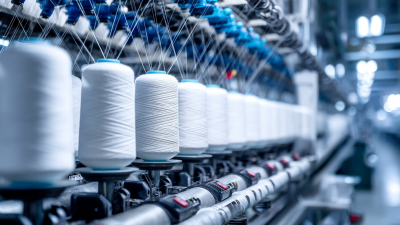
Picking the right warp knitting machine is super important for folks in the textile world. Jim Thompson, an industry vet at WarpTech Industries, often says, “The right machine can really boost your production game.” And honestly, that just hits the nail on the head — choosing the right gear can make all the difference when it comes to handling all your different production needs.
Warp knitting machines come with a bunch of features, and not all of them are perfect for every job. Things like how fast they can go, how flexible they are, and what sort of fabric you’re working with all matter. A lot of companies end up struggling to find that sweet spot, often ending up with machines that don’t quite fit. For example, a machine built for heavy fabrics might totally flop when working with lighter ones.
Really knowing what your production needs are is kind of a no-brainer, but it’s something that can get overlooked. Regular check-ins on your equipment can help spot any gaps. Like Jim Thompson says, “Reflection is key to continually improving.” Taking a little time to evaluate whether your warp knitting machine actually matches what you need can help you make smarter investments. And it’s not just about the short-term wins — it’s about setting yourself up for long-term growth in such a competitive field.

Understanding Warp Knitting: Basics and Applications
Warp knitting is a unique textile process. It uses multiple threads, forming a fabric that is stretchy and durable. The machine moves these yarns in a zigzag pattern. This creates interlocking loops. Hence, warp knitting produces fabrics like tricot and lace, often used in garments and home textiles.
Understanding the basics of warp knitting is crucial. The process allows for precision and flexibility. Different types of warp knitted fabrics serve various applications. For instance, mesh fabrics are excellent for sportswear. Their breathability enhances comfort. On the other hand, thicker warp knitted materials offer strength for heavier applications. However, selecting the right machine requires careful consideration of your intended use.
Reflecting on needs is essential. An ideal warp knitting machine should align with production goals. Machine speed, versatility, and ease of use must be evaluated. Sometimes, features may seem enticing but might not fit your requirements. Knowing what to prioritize avoids wasted resources. The choices can be overwhelming, so research is key before making a decision.
Types of Warp Knitting Machines: Overview of Options
Choosing the right warp knitting machine can feel overwhelming. There are many types available, each with unique features. Understanding these options is crucial to making the right decision.
Warp knitting machines fall into several categories. Tricot machines are known for their versatility, producing lightweight, elastic fabrics. They excel in making lingerie and sportswear. Raschel machines, on the other hand, create heavier textiles. These can be used for lace, nets, and technical fabrics. Understanding your target product is essential.
Another aspect to consider is machine size and speed. Larger machines can increase productivity but may require more space. Slower machines can compromise efficiency but may minimize errors. It's important to reflect on your production needs and space constraints. Assessing these factors before purchasing can save time and resources.
Types of Warp Knitting Machines: Overview of Options
Key Factors to Consider When Selecting a Warp Knitting Machine
Choosing the right warp knitting machine can be challenging. Several key factors should influence your decision. Consider the type of fabric you want to produce. Different machines excel in making certain textiles. For instance, lightweight fabrics require a different setup than heavy-duty materials. Understanding the end use of your fabric is crucial.
Tips: Always assess the machine’s speed and efficiency. A faster machine might seem beneficial, but it can sacrifice quality. Do not overlook the ease of maintenance. A complex machine can lead to frustration. It’s also essential to evaluate the machine's compatibility with your existing equipment. Compatibility can save you time and money.
Check the machine's versatility too. Some machines are designed for specific tasks. However, having a versatile machine can open up new possibilities. You may rethink your initial choices if you rely on a single purpose machine. Always remember to analyze your budget. Sometimes, the cheapest option may not be the best in the long run. Balancing cost and quality is vital for success.
Assessing Production Capacity and Speed Requirements
When selecting a warp knitting machine, understanding production capacity and speed is crucial. The machine's output speed will impact how quickly you can fulfill orders. Slower machines may not meet high-demand periods, leading to missed deadlines. Choose a model that offers flexibility in speed adjustments. This feature can help you respond better to fluctuations in order quantity.
Assess your daily or weekly production needs. Calculate how many meters of fabric you need to produce to meet client demands. If your estimates are too high for your current machinery, you might face delays. However, selecting a machine with a higher capacity than necessary can lead to underutilization. It’s a delicate balance. Also, consider if a specific machine can handle various fabric types. A machine that adapts to different materials may enhance overall productivity.
It’s essential to reflect on your long-term goals. Machines are often a significant investment. If you choose one that can’t adapt over time, you may need to replace it sooner than expected. Look for features that provide room for upgrades or modifications. This forward-thinking can save costs in the long run, while also avoiding the pitfalls of being locked into outdated technology.
Evaluating Material Compatibility for Your Projects
Choosing the right warp knitting machine involves understanding the materials you'll be using. Different projects require different materials, which directly impacts the machine features you need. For instance, lightweight fabrics may need machines with specific gauges. Heavier materials could require stronger machinery to handle the tension and stress during the knitting process.
Compatibility with materials like polyester or nylon is also crucial. Each type of yarn behaves differently when knitted. Polyester offers durability, while nylon provides elasticity. Knowing these differences helps in choosing a machine that can effectively work with the specific yarns you intend to use. Sometimes, the machine might not perform as expected even if the materials seem compatible.
It’s important to acknowledge that trial and error is part of the process. You might end up with a machine that doesn’t suit your needs perfectly. Experimentation can lead to insights about your choices and preferences. Reflecting on past projects can help guide future decisions. Consider adjustments or upgrades based on your findings. Working with various materials can ultimately lead to the discovery of your optimal setup.
Budget Considerations: Cost vs. Features in Warp Knitting Machines
When choosing a warp knitting machine, budget is crucial. A lower price may seem appealing, but it often comes with limitations. For example, machines under $10,000 may lack advanced features. They typically produce lower quality fabrics. A report from the Textile Machinery Association indicates that higher-end machines, priced between $25,000 and $50,000, often provide better performance and durability.
Consider what features matter most. Some machines offer multiple patterns and faster production speeds. These features can justify a higher cost. According to industry studies, investing in quality equipment can lead to a 30% increase in efficiency over time. This could mean substantial savings in the long run. However, it's essential to recognize your specific needs first. Not every advanced feature will be beneficial for every project.
Evaluate your production volume and fabric types. A budget machine might suffice for small projects or prototypes. However, for larger operations, investing in a high-performance model could reduce long-term costs. Balancing initial price with potential output is vital. Think carefully about these factors before making a purchase.
Maintenance and Support: Ensuring Longevity of Your Equipment
Maintenance is key to the longevity of your warp knitting machine. Regular inspections can help identify wear and tear early. Check the machine’s components frequently. Look for any signs of damage or misalignment. This simple practice can save you money in repairs later on.
**Tips:** Schedule maintenance checks every few months. A well-maintained machine performs better and lasts longer. Keep a notebook of all maintenance tasks. This can help you track what needs attention.
Don’t forget about lubrication. Proper lubrication can reduce friction and prevent overheating. However, too much lubricant can attract dust. Remember to clean the machine regularly. Dust buildup can cause problems over time.
**Tips:** Use a soft brush to remove debris. Ensure all parts are dry before lubricating. Monitor the machine's performance daily. Unusual sounds may signal a need for repairs.
How to Choose the Right Warp Knitting Machine for Your Needs?
| Feature |
Description |
Importance |
Maintenance Tips |
| Production Speed |
The rate at which the machine can produce knitted fabric. |
High |
Regularly check and optimize settings for speed. |
| Versatility |
Ability to produce various patterns and fabrics. |
Medium |
Maintain software updates for pattern flexibility. |
| Machine Size |
Dimensions of the machine, affecting workspace requirements. |
High |
Ensure workspace clearance for maintenance. |
| Energy Efficiency |
Power consumption related to machine operation. |
High |
Regularly clean and service for optimal power use. |
| Technical Support |
Availability of customer service and repairs. |
High |
Keep contact info handy for prompt support. |
Conclusion
When selecting the right Warp Knitting Machine for your needs, it's essential to first understand the basics of warp knitting and its various applications. There are several types of warp knitting machines available, each designed for specific purposes. Key factors to consider include your production capacity and speed requirements, as well as the compatibility of materials for the projects you plan to undertake.
Budget is also a crucial aspect, as you'll want to balance cost with the features offered by different machines. Additionally, assessing the maintenance and support available for your equipment can ensure its longevity and efficient operation. By carefully evaluating these factors, you can choose a Warp Knitting Machine that best suits your needs and enhances your production capabilities.